
Why Women Gain Weight During Perimenopause
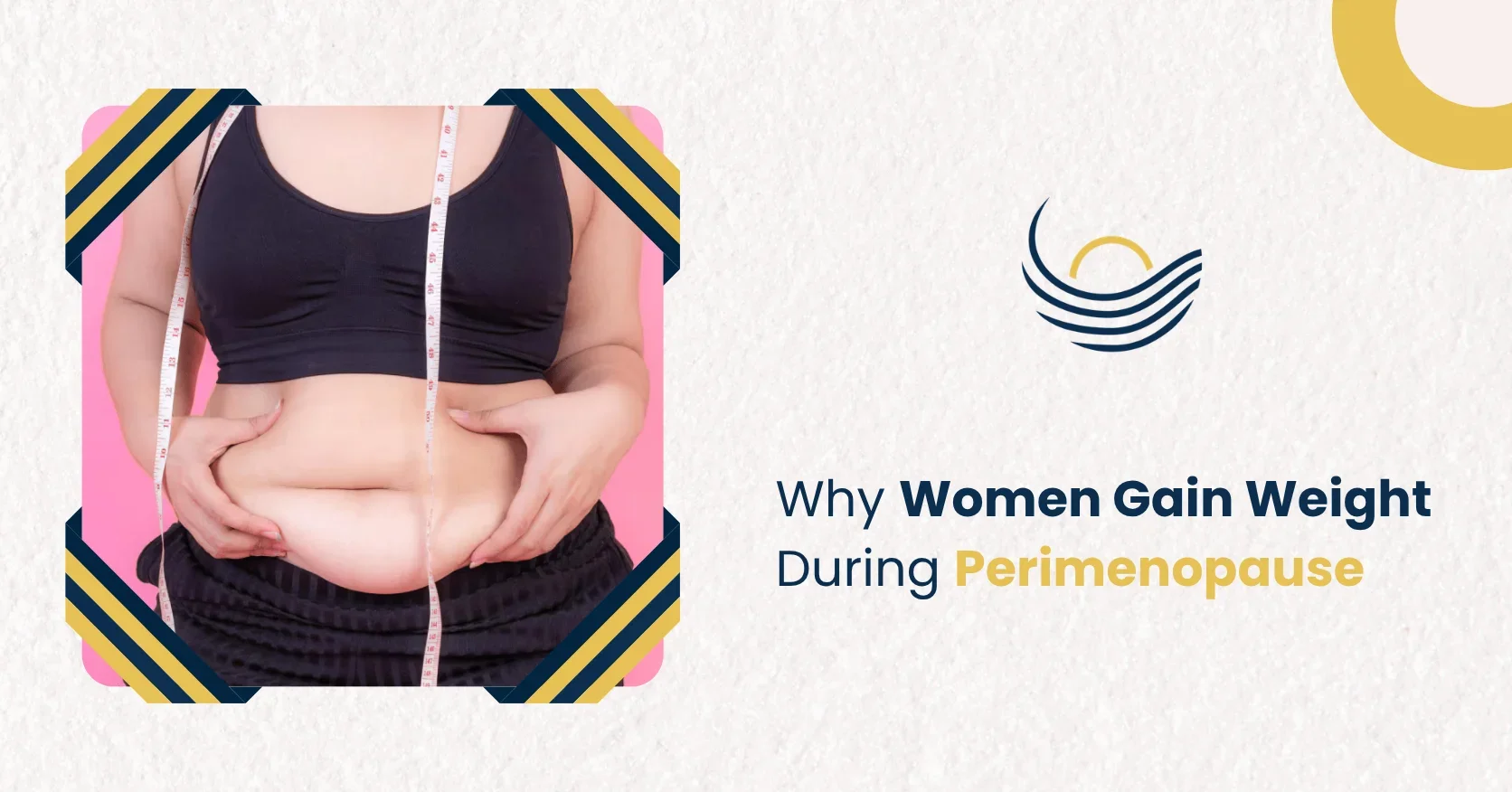
If you are in your 40s or early 50s and suddenly feel like your body is changing—even though you haven't dramatically changed the way you eat or exercise—you are not imagining it.
Maybe the scale is slowly creeping up. Your clothes fit differently. Weight that once settled around your hips and thighs now seems to collect around your abdomen. Perhaps the strategies that worked for you in your 30s simply don't seem to work anymore.
For many women, these changes happen during perimenopause.
Perimenopause is a natural transition, but that doesn't mean you have to ignore symptoms that are affecting your health, confidence, energy, or quality of life.
At Mar Y Sol Mental Health Experts, we believe in looking at the whole woman—hormones, metabolism, sleep, nutrition, mental health, stress, and lifestyle—to understand what may be contributing to these changes.
What Is Perimenopause?
Perimenopause is the transitional period leading up to menopause.
During this time, ovarian hormone production begins to change. Estrogen and progesterone levels can fluctuate significantly rather than simply declining in a straight line.
Perimenopause most commonly begins during a woman's 40s, although some women experience symptoms earlier. The transition can last several years and ends when a woman has gone 12 consecutive months without a menstrual period, which marks menopause.
Symptoms may include:
Irregular or changing periods
Hot flashes
Night sweats
Sleep disturbances
Mood changes or increased irritability
Anxiety
Brain fog or difficulty concentrating
Changes in sexual desire
Vaginal or urinary symptoms
Changes in weight or body composition
Because symptoms can develop gradually, many women don't immediately recognize that what they are experiencing may be connected to the menopausal transition.
Why Does Weight Become More Difficult to Manage?
There isn't one single reason.
Hormonal changes matter, but so do aging, muscle mass, sleep, stress, physical activity, nutrition, genetics, and metabolic health.
Understanding these factors can help you move away from blaming yourself and toward identifying what your body actually needs during this stage of life.
1. Hormonal Changes and Fat Distribution
One of the most noticeable changes during the menopausal transition may not simply be how much you weigh, but where your body stores fat.
As estrogen levels change, women tend to experience a shift toward greater abdominal or visceral fat accumulation.
This means that even if the number on the scale hasn't changed dramatically, your waistline and overall body composition may look and feel different.
Visceral fat—the fat stored deeper around the abdominal organs—is particularly important because higher amounts are associated with increased metabolic and cardiovascular health risks.
At Mar Y Sol Mental Health Experts, our Women's Hormone Health & Vitality services take an individualized approach to symptoms that may be associated with hormonal changes, including changes in weight, energy, sleep, mood, and mental clarity.
2. Loss of Muscle Mass
Women naturally begin losing muscle mass as they age, particularly if they aren't doing regular resistance or strength training.
This matters because muscle is metabolically active tissue.
When you lose muscle, your body composition changes and your daily energy requirements may decrease. That means eating and exercising exactly as you did years ago may no longer produce the same results.
This is one reason why strength training becomes increasingly important during midlife.
The goal isn't simply to become smaller. Maintaining muscle helps support strength, mobility, bone health, metabolism, and healthy aging.
3. Changes in Where Your Body Stores Fat
Many women notice a frustrating change during perimenopause: fat that once accumulated primarily around the hips and thighs begins appearing more around the abdomen.
Hormonal changes associated with menopause appear to contribute to this shift in body-fat distribution.
Abdominal fat isn't simply a cosmetic concern. Excess visceral fat is associated with increased risk for conditions such as:
Insulin resistance
Type 2 diabetes
Cardiovascular disease
Abnormal cholesterol levels
High blood pressure
This is why we encourage women to think beyond the number on the scale and consider metabolic health and body composition as well.
4. Sleep Problems
Sleep disruption is extremely common during perimenopause.
Hot flashes and night sweats may wake you repeatedly. Anxiety can make it difficult to fall asleep. Some women begin waking in the middle of the night and struggle to return to sleep.
Poor sleep doesn't only leave you exhausted the next morning.
Insufficient or disrupted sleep can affect appetite regulation, food choices, insulin sensitivity, stress hormones, energy, and motivation to exercise.
After a night of poor sleep, reaching for sugar or carbohydrates isn't necessarily a lack of willpower. Your body is tired and looking for quick energy.
If poor sleep has become a regular part of your life, addressing the cause should be part of your overall health plan.
5. Changes in Appetite and Eating Patterns
Some women notice changes in appetite, cravings, or eating patterns during midlife.
Hormonal fluctuations, stress, poor sleep, mood changes, and changes in insulin sensitivity may all influence hunger and food choices.
When you're exhausted, stressed, or overwhelmed, highly palatable foods—especially foods high in sugar and refined carbohydrates—can become particularly appealing.
Rather than relying on extreme restriction, focus on meals that provide adequate protein, fiber, vegetables, healthy fats, and minimally processed carbohydrates.
A sustainable nutrition plan should help you feel nourished and satisfied—not constantly hungry.
6. Stress and Cortisol
Midlife can be an extraordinarily demanding stage for women.
You may be managing a career, raising children, caring for aging parents, maintaining relationships, managing a household, and trying to take care of yourself somewhere in between.
Then perimenopause adds hormonal fluctuations, disrupted sleep, mood changes, and physical symptoms.
Chronic stress activates the body's stress-response system and can affect sleep, appetite, food choices, and metabolic health. It can also contribute to emotional eating.
Some women eat when they feel:
Overwhelmed
Anxious
Sad
Angry
Lonely
Exhausted
This is why taking care of your emotional health is not separate from taking care of your physical health.
Mental health is part of metabolic health.
At Mar Y Sol Mental Health Experts, our background in mental health allows us to consider the connection between emotional well-being, hormonal changes, sleep, stress, and physical health.
7. Aging and Metabolic Changes
It is easy to blame everything on hormones, but aging itself also plays an important role.
As we age, changes in muscle mass, physical activity, energy expenditure, and metabolic health can make weight management more challenging.
This is why simply telling a woman to “eat less and exercise more” often misses the bigger picture.
Effective treatment begins with understanding what has changed.
8. Genetics
Genetics also influence body shape, fat distribution, metabolism, and the tendency to gain weight.
If women in your family experienced significant changes in weight or body composition during menopause, you may have a similar tendency.
You cannot change your genetics, but genetics do not determine your destiny.
Understanding your risk factors allows you to be more proactive about nutrition, exercise, sleep, metabolic health, and medical care.
9. Lifestyle Changes
Sometimes the biggest change isn't hormonal—it's life.
Women in midlife often have less time for themselves.
You may be:
Raising children or teenagers
Caring for aging parents
Managing a demanding career
Experiencing relationship changes
Sleeping poorly
Exercising less consistently
Eating meals on the run
Over time, these seemingly small changes can affect weight, muscle mass, sleep, stress, and overall health.
What Can You Do About Perimenopause Weight Gain?
Weight gain during perimenopause is common, but it isn't something you simply have to accept.
The strategy that worked in your 20s or 30s may need to change.
Prioritize Protein and Whole Foods
Protein becomes especially important as we age because it helps preserve lean muscle mass and supports satiety.
Build meals around foods such as lean proteins, vegetables, fruits, whole grains, legumes, nuts, seeds, and healthy fats.
You don't need a perfect diet.
Consistency matters more than perfection.
Add Strength Training
Cardiovascular exercise remains important, but don't overlook resistance training.
Strength training helps preserve and build muscle, supports bone health, improves physical function, and can help improve body composition.
Aim to incorporate resistance training into your routine at least a few times per week, based on your health and fitness level.
Walking and other forms of cardiovascular activity are also valuable.
Make Sleep a Health Priority
Aim for approximately seven to nine hours of sleep when possible.
Keep your bedroom cool and dark, maintain a consistent sleep schedule, and reduce screen exposure close to bedtime.
If hot flashes, night sweats, anxiety, insomnia, snoring, or other symptoms are repeatedly disrupting your sleep, consider seeking professional evaluation.
Manage Stress Differently
You cannot eliminate every source of stress from your life.
But you can change how your body experiences and responds to stress.
Exercise, meditation, breathing exercises, therapy, spending time outdoors, maintaining meaningful relationships, and simply creating protected time for yourself can all help.
For some women, therapy can be an important part of navigating the emotional and identity changes that accompany midlife.
Stop Fighting Your Body. Start Understanding It.
Perimenopause isn't a disease.
But symptoms that interfere with your quality of life deserve attention.
You shouldn't have to accept feeling exhausted, uncomfortable in your body, mentally foggy, anxious, irritable, or unlike yourself simply because you have reached a certain age.
And treatment shouldn't focus on one symptom in isolation.
At Mar Y Sol Mental Health Experts, our Women's Hormone Health & Vitality approach considers the interconnected factors that influence how women feel during perimenopause—including hormonal health, mental health, sleep, stress, weight, metabolism, and lifestyle.
Depending on your symptoms, medical history, laboratory findings, risk factors, and personal goals, treatment may include lifestyle interventions, mental health treatment, weight-management strategies, and evaluation for hormone therapy when clinically appropriate.
Hormone therapy is not appropriate for every woman, and treatment should always be individualized after a comprehensive medical evaluation.
Caring for the Whole Woman
One of the most important things women can do during perimenopause is stop treating every symptom as a separate problem.
Poor sleep can worsen anxiety.
Anxiety can increase stress.
Stress can affect eating habits.
Loss of muscle can affect metabolism.
Hormonal changes can influence sleep, mood, body composition, and sexual health.
It is all connected.
That is why our approach is designed around the whole person rather than simply treating a number on a scale or a hormone level on a laboratory report.
Final Thoughts
Your body may change during perimenopause—but this stage of life does not have to mean losing your energy, confidence, strength, or sense of yourself.
This can also be an opportunity to understand your body differently and become more intentional about your long-term health.
If something feels different, pay attention.
If you're struggling with weight, fatigue, poor sleep, mood changes, brain fog, hot flashes, or other symptoms, consider a comprehensive evaluation rather than assuming you simply need to eat less or exercise more.
Understand what is changing. Identify what your body needs. Then create a plan designed for you.
At Mar Y Sol Mental Health Experts, we provide personalized care for women navigating perimenopause and midlife changes, with attention to both physical and emotional well-being.
Contact us to learn more about our Women's Hormone Health & Vitality services.
Medical Disclaimer: This article is intended for educational purposes only and is not a substitute for individualized medical advice, diagnosis, or treatment. Weight changes and symptoms during perimenopause can have many causes. A healthcare professional can evaluate your symptoms, medical history, medications, laboratory findings, and individual risk factors to determine appropriate treatment.
Frequently Asked Questions
Is weight gain during perimenopause permanent?
Not necessarily. Although changes in body composition and fat distribution are common during midlife, nutrition, physical activity, strength training, sleep, stress management, and appropriate medical treatment can all influence weight and metabolic health.
Do I need a strict diet to prevent perimenopause weight gain?
No. Highly restrictive diets are often difficult to sustain and may not address the underlying factors contributing to weight changes. A balanced approach emphasizing adequate protein, fiber, whole foods, and appropriate portions is generally more sustainable.
Can hormone therapy help with weight loss?
Hormone therapy is not a weight-loss treatment. However, for appropriate candidates, menopausal hormone therapy can effectively treat symptoms such as hot flashes and night sweats and may have effects on body composition and metabolic health. Whether hormone therapy is appropriate depends on your symptoms, medical history, risks, and individual goals.
Why am I gaining belly fat even though my weight hasn't changed much?
Hormonal and age-related changes can affect where the body stores fat. During the menopausal transition, women commonly experience an increase in abdominal or visceral fat even without a dramatic change in total body weight.
Can perimenopause affect my mental health?
Yes. Some women experience new or worsening anxiety, irritability, mood changes, sleep disturbance, or depressive symptoms during the menopausal transition. Hormonal fluctuations can interact with stress, sleep, relationships, and previous mental health history.
Because Mar Y Sol Mental Health Experts specializes in mental health as well as women's wellness, we believe these symptoms should be considered together rather than treated as completely separate issues.
