
Why Is It So Hard to Stop Using Drugs or Alcohol?
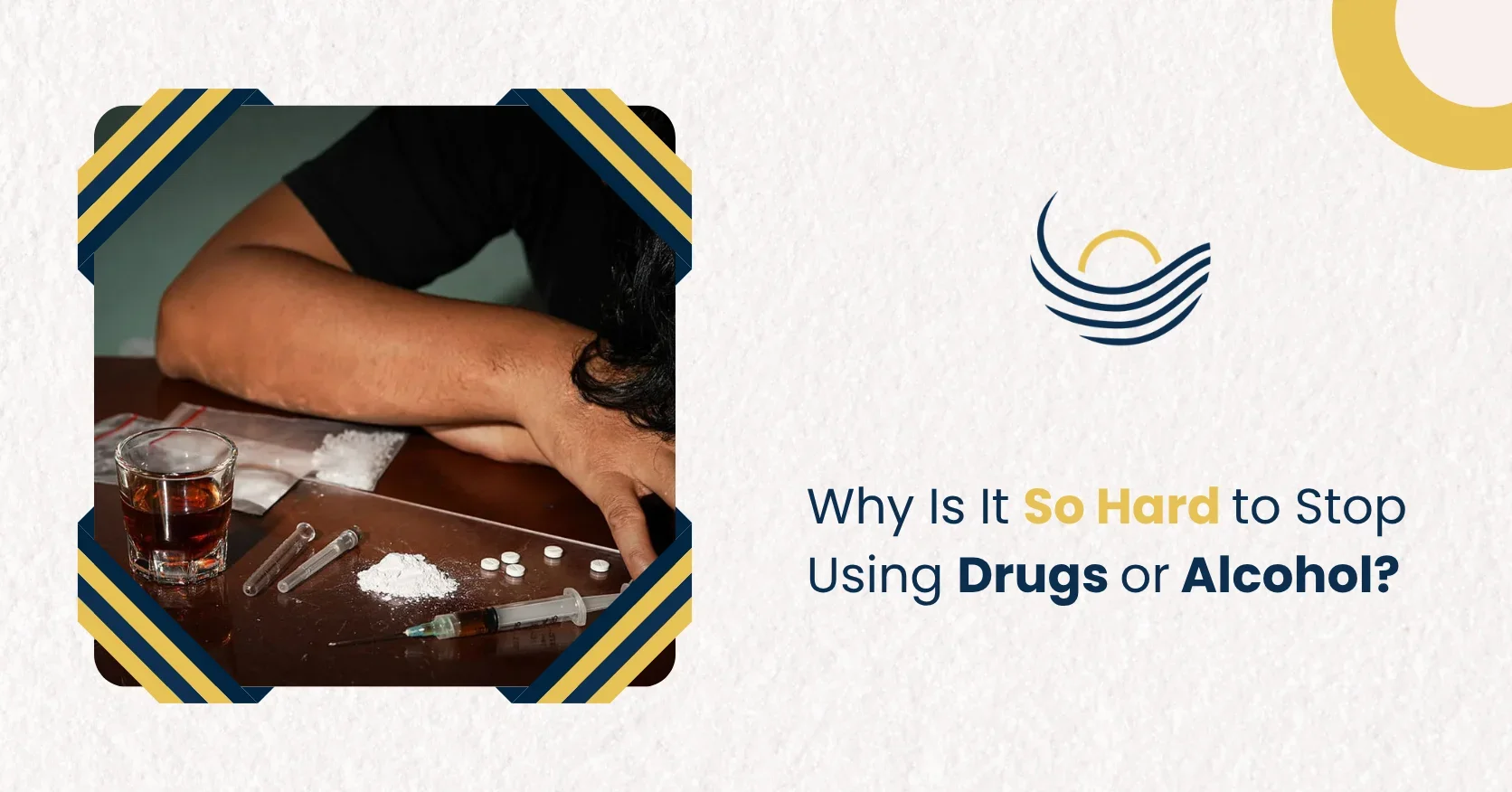
Have you ever wondered why it feels almost impossible to stop using drugs or alcohol? Many people think it is just about willpower. They think anyone can stop if they truly want to, but it's more complicated. Stopping is very hard for many reasons. The great news is that support is available.
At Mar Y Sol Mental Health Experts, we help people tackle substance use issues. We focus on both addiction and the emotional challenges that often arise.
Let us look at the reasons why this struggle is so real and so difficult.
What Is Addiction?
Addiction is a health problem. It makes a person keep using drugs or alcohol, even when it causes harm.
A person with addiction may have:
Problems at work or school
Trouble with family or friends
Poor health
Money problems
Addiction can impact anyone, no matter their age or origin.
Why Is It So Hard to Stop Using Drugs or Alcohol?
The Brain Gets Changed by Addiction
Your brain sends messages throughout your body. It controls your emotions, thoughts, and behaviors. One important chemical involved in the brain’s reward system is dopamine. This chemical helps create feelings of pleasure and motivation.
Healthy activities naturally release dopamine. These activities include:
Spending time with loved ones
Exercising
Enjoying a favorite meal
But drugs and alcohol can trigger a big release of dopamine.
Over time, the brain adapts to these intense changes. It may produce less dopamine naturally. This change makes everyday activities feel less enjoyable. Without the substance, a person may feel:
Emotionally numb
Sad
Empty
They need the substance just to feel normal. This is not your fault. The drug changed your brain. Now your brain thinks it needs the drug to be okay. This is why it is so hard to stop.
Withdrawal Can Be Physically and Emotionally Difficult
When you try to stop using drugs or alcohol, your body can get sick. This is called withdrawal. It is not fun. You might feel very hot or very cold. You might shake. You might throw up. Your head might hurt. You might feel very scared or very sad. You might not be able to sleep.
Withdrawal can feel overwhelming. You may want to stop using it, but you don’t want to feel sick. So, you take the drug or drink alcohol again.
This is a hard cycle to break. It is not because you are weak. It is because your body is used to the drug. It is trying to fix itself. But the fixing process is painful.
Cravings Can Feel Overwhelming
Have you ever had a craving for a favorite food? A craving for drugs or alcohol is like that, but a thousand times stronger. A craving is not just a thought. It is a feeling that takes over your whole body
Cravings can be triggered by various factors, including:
Visiting an old drinking spot
Feeling stressed
Hearing a certain song
Watching someone else use the substance
Cravings are normal in addiction and reflect brain conditioning, not weakness. They can overwhelm your focus and make resisting difficult, requiring significant effort.
Emotional Pain Can Trigger Substance Use
Many people start using drugs or alcohol to escape from pain. Substance use may temporarily provide relief from:
Trauma
Anxiety
Depression
Stress
Difficult life experiences
When someone stops using substances, painful emotions may return. Without the substance as a coping tool, facing these feelings can feel overwhelming.
Recovery is about managing emotions, understanding the past and becoming stronger.
At Mar Y Sol Mental Health Experts, we treat substance use disorders. We also address the emotional challenges that may contribute to these issues.
Habits Are Difficult to Change
Substance use is not just a physical act. It is a habit. It becomes part of your daily routine. You might:
Always drink after a hard day at work
Always use with certain friends
These patterns are deeply ingrained. They become automatic. Your body goes through the motions without you even thinking about it.
Breaking a habit is hard, especially if it’s linked to strong feel-good brain chemicals, like nail-biting.
To change, you need to:
Change your whole routine
Find new ways to spend your time
Possibly find new friends
This is a lot of change all at once. It is no wonder it feels so difficult.
Life without the Substance May Feel Empty at First
For many, drugs or alcohol dominate daily life, consuming time, money and energy.
When they stop, they may feel empty, bored, or uncertain. They might wonder:
Who they are without the substance
How to enjoy life again
Recovery involves rebuilding a meaningful life. This new life should be filled with:
Healthy relationships
Engaging activities
Personal goals
This process takes time, patience and support.
Fear of Failure Can Hold You Back
Trying to stop worrying can actually raise anxiety. Past errors can instill hesitation about making changes. This fear can be paralyzing. It can stop you from even trying again.
Many individuals will experience relapse during recovery. It doesn't mean failure. Keep these key points in mind:
It is a sign that you need to try a different approach.
It is a chance to learn what triggered the relapse.
It can help you grow and find new strategies.
But fear can cloud your perspective and create hopelessness. Believing in your success is crucial.
Shame Can Make Addiction Harder to Overcome
Many people feel shame about their drug or alcohol use. They believe that they are bad people. They feel they have failed.
As a consequence, they may conceal their issue from relatives and friends for fear of being evaluated. This shame feels heavy. It worsens the issue and stops people from getting the help they need.
Having support is vital. It’s important to have people who care about you. They can:
Encourage you
Help you stay on track
Be there for you when you are struggling
Without this support, the journey can feel impossible.
How Professional Help Can Make a Difference
Professional treatment provides tools and support for recovery.
Many individuals with addiction face mental health challenges such as anxiety, depression, or trauma. Addressing these can aid in recovery.
Mar Y Sol Mental Health Experts provides specialized substance use disorder treatment that focuses on the whole person. Our compassionate approach may include:
Individualized therapy
Counseling and emotional support
Evidence-based treatment approaches
Mental health care
Relapse prevention strategies
Every person’s recovery journey is different. A treatment plan should match their needs and goals.
With the right support, people can:
Build healthier habits
Repair relationships
Feel confident again
Create a better future
Final Thoughts
Stopping drugs or alcohol is hard because addiction changes the brain, body and feelings.
Cravings, withdrawal, stress and fear can make recovery feel difficult.
But recovery is possible with the right help.
Mar Y Sol Mental Health Experts offers caring support to people seeking a healthier life. Recovery means starting anew.
For support, contact us to learn how we can assist you or a loved one.
FAQs
Is addiction a disease or a choice?
Addiction is a long-term medical issue that changes brain function. Starting substance use is a choice, but quitting can be difficult without support.
Does relapse mean recovery has failed?
No, a relapse isn't a failure. It shows a need for more support or a new plan. Many recover after relapsing.
