
Spotting Anger Issues in Teens That Scream Therapy
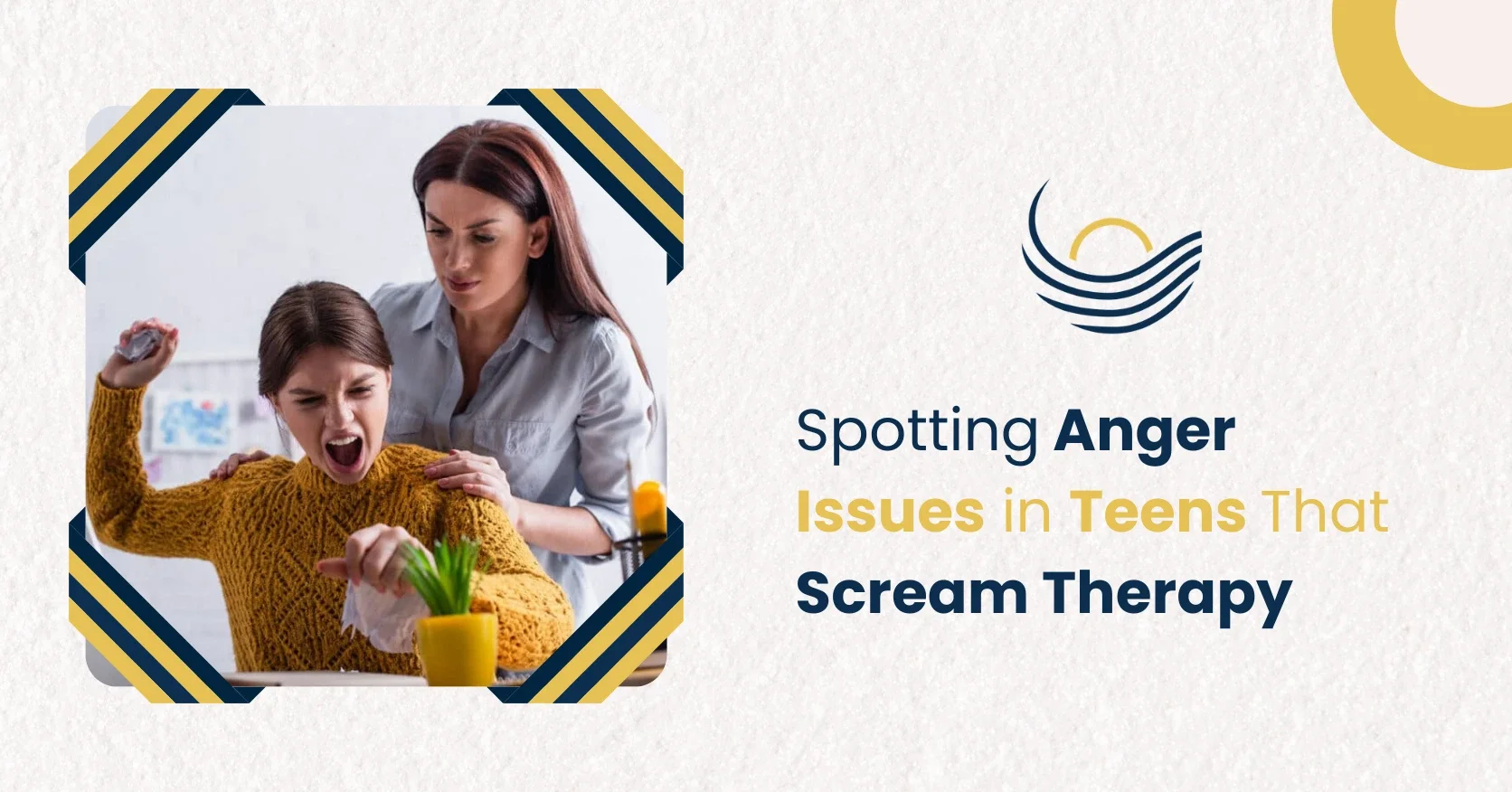
Teen anger is not always “just attitude.”
In some instances, it is a scream for help that the adults do not listen to.
Behind the slammed doors, cruel words and unexpected outbursts, a teenager might be in a struggle between fear, sadness, pressure and pain. Many parents feel confused. They wonder whether this behavior is normal while growing up or a warning sign of something deeper.
Knowing when anger becomes a mental health issue can safeguard a teen's future. When the right help arrives at the right moment, emotional storms can become strong life lessons. They also build personal strength.
Mar Y Sol Mental Health Experts specializes in offering child and teen psychiatric care to diagnose, assess, and treat anger and emotional issues in teenagers.
Below, we will help you recognize serious anger issues in teens and understand when therapy becomes not just helpful but necessary.
When Teen Anger Stops Being Normal
Every teenager is frustrated occasionally. Hormonal changes, academic stress and social challenges can make emotions feel intense. A bad day, a fight with friends, or a school setback can lead to quick anger.
But when it starts to control daily life, then anger becomes alarming.
However, anger becomes concerning when it starts to control daily life.
For example:
A teen begins shouting or breaking things during small disagreements.
Simple conversations quickly turn into heated conflicts.
Emotional reactions feel explosive and unpredictable.
These patterns demonstrate that anger is no longer a sudden feeling. It can show an emotional load that needs professional help.
Warning Signs Your Teen Needs Therapy
Some behaviors clearly indicate deeper struggles. Caregivers and parents are advised to alert themselves when a teen exhibits recurrent behavior that includes:
Aggression toward relatives or schoolmates
Language that expresses threats or discusses self-harm or harm to others
Destroying personal possessions in a state of anger
Isolation following emotional outbursts
Extreme mood swings that disrupt school or social life
Loss of motivation, interest, or personal goals
A teen who used to laugh at dinner but now stays in their room might be showing emotional distress. If they respond with anger to basic inquiries, it's more than a matter of discipline.
Understanding Hidden Causes of Teen Anger
Anger often masks deeper emotional struggles. Many teens struggle to express vulnerability and use frustration as a shield. Common underlying causes include:
Anxiety and Constant Pressure
Internal tension can be generated by the fear of failure, social comparison and uncertainty about the future. This is a stress that can burst even in the most secure of places, the home.
Depression in Disguise
Teen depression is not necessarily manifested in sadness. It can appear as irritability, boredom, or emotional numbness. Anger serves as a defense mechanism against hopelessness.
Trauma and Unresolved Hurt
Bullying, family crisis, grief, or historical emotional injuries can be silently in the mind of a teen. These experiences gradually influence the reactions to stress and relationships in the long run.
Social Media Stress and Identity Struggles
Online criticism, unrealistic expectations and peer pressure may destroy self-esteem. Teenagers may respond with anger to judgment, rejection, or dismissal.
When families find these factors, they can move past punishments. This allows them to embrace knowledge.
Mar Y Sol Mental Health Experts study these causes. We create care plans for each teen. Each plan fits their needs.
Why Professional Evaluation Can Change Everything
A psychiatric or psychological evaluation uncovers the real story behind your teen’s emotional behavior. Mental health professionals assess mood patterns, attention challenges, social experiences and family dynamics.
At Mar Y Sol Mental Health Experts, we use gentle methods to evaluate your teen’s mental health. This includes structured assessments and caring conversations. This clarity allows families to move from blame to effective, targeted treatment.
Therapy Tools That Help Teens Regain Emotional Control
Behavioral and cognitive therapies teach teens approaches to control anger safely. These strategies focus on practical life skills, like:
Pausing and breathing before reacting
Identifying emotional triggers
Communicating needs without aggression
Building daily routines that reduce stress
Practicing problem-solving strategies
As an example, A teenager can learn to pause during an argument, do grounding exercises and then continue the conversation. The habits make emotional endurance strong over time.
Mar Y Sol Mental Health Experts involve parents in the process. When parents model patience and emotional regulation, teens feel supported rather than judged.
When Medication May Be Helpful
In certain cases, medication may reduce severe mood instability, impulsivity, or attention difficulties.
At Mar Y Sol, medications are strictly observed and are a part of an overall care plan which also entails therapy, lifestyle changes and family support.
Long-Term Benefits of Early Mental Health Support
Addressing anger issues early can shape a teen’s entire future. Timely treatment may lead to:
Improved academic focus and performance
Healthier friendships and communication skills
Stronger confidence and self-awareness
Reduced risk of substance misuse or risky decisions
Better stress management in adulthood
Learning emotional regulation during teenage years builds a foundation for lifelong stability and success.
The Role of Schools and Communities
Coaches, mentors, and teachers are also an essential part. It may be beneficial to see how people act beyond the house and derive other information.
Schools may partner with families and mental health professionals to provide conducive settings and avoid a spiral.
Teens with anger issues can benefit from community programs. These programs focus on social-emotional learning, stress management, and peer support.
How Families Can Become a Safe Emotional Anchor
Home is where healing continues every day. Families can help by:
Listening calmly, even during conflict
Setting clear but respectful expectations
Encouraging healthy routines like sleep and exercise
Spending distraction-free time together
Celebrating progress, not just mistakes
When a teenager feels emotionally secure at home, they can embrace guidance and therapy.
Mar Y Sol Mental Health Experts educate families to become active partners in mental wellness.
Take Action Before Anger Becomes Crisis
If your teen’s anger feels intense, frequent, or harmful, do not wait for the situation to worsen. Seeking mental health support early can prevent long-term emotional and behavioral difficulties.
Therapy and psychiatric support can help your teen think clearly, cope better and feel more confident in life.
Mar Y Sol Mental Health Experts provides psychiatric services for kids and teens. These services aim to support emotional wellness during important developmental years.
Reach out today to schedule a confidential evaluation.
Taking the first step today may be the decision that protects your child’s happiness and future.
FAQs
Can ADHD cause anger in teens?
Yes. Teens with ADHD may feel frustrated and lose control quickly. Therapy can help.
Is anger normal in puberty?
Some mood changes are normal. But repeated or violent anger may be a warning sign.
What if my teen does not want therapy?
Stay patient. Explain that therapy is a safe place to learn, not a punishment. Family sessions can be a good first step.
