
How Does Substance Use Disorder Impact Emotions and Decision-Making?
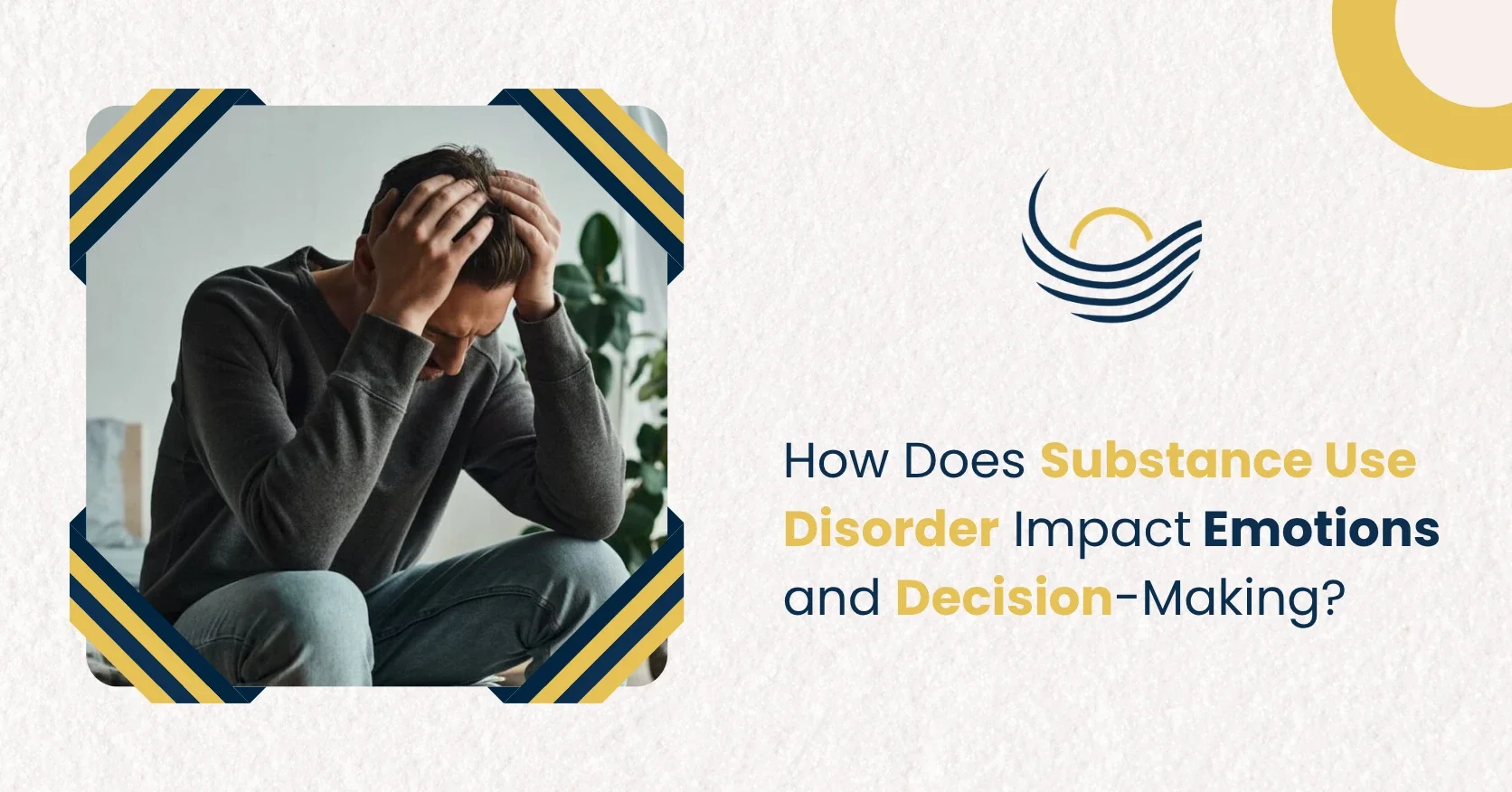
Substance use disorder can alter the feelings, thoughts and choices in a person's life. It can turn the small problems into a big problem. It can also diminish the ability to stop, think and select the best course of action. Addiction changes parts of the brain involved in judgment and decision-making. NIMH reports that many people with substance abuse issues also have mental health problems.
What Substance Use Can Do to Feelings
Substance use, whether alcohol or drugs, can result in shifts in emotions. This can present as emotions of sadness, anger, or a sense of emptiness.
A person may also notice these signs of emotional dysregulation:
More mood swings
Faster anger or emotional outbursts
More fear or worry
Less patience
Less joy in things they used to like
These adjustments can make daily life feel burdensome. They also complicate relationships, school and work while disrupting essential rest.
Why Decisions Get Harder
Good choices need a clear mind. Substance use disorder can make the brain focus more on the next drink or the next dose and less on long-term results. NIDA explains that addiction is linked with brain changes in areas tied to judgment and decision-making, often leading to cognitive dysregulation.
This shift can directly result in bad decision making in real life, such as:
Choosing a quick high over a safe plan
Saying yes to things that feel risky
Forgetting past problems
Acting fast without thinking
Promising to stop, then using again
This is not about being weak. It is about a brain and body that need help.
Why Emotions and Choices Feed Each Other
Emotions and choices can get stuck in a loop. A hard feeling shows up. The person uses a substance to feel better. The substance may help for a short time. Then the feeling comes back stronger, sometimes with shame or regret.
That loop can grow over time:
Stress starts.
The person feels pain, fear, or anger.
Substance use feels like relief.
Problems grow.
The person feels worse and may use again.
This loop can be hard to break alone. It is one reason support matters so much.
Signs It May Be Affecting Daily Life
Substance use disorder can show up in many small ways before it becomes very big. Some signs are easy to miss at first.
Look for things like:
Missing work, school, or family plans
Lying about use
Pulling away from loved ones
Taking bigger risks
Fighting more often
Spending a lot of time getting or using substances
Feeling hopeless, cranky, or very low
NIMH notes that substance use and mental health concerns can overlap, so careful support is important when more than one problem is going on.
How Healing Can Help
sRecovery is not just about stopping use. It is also about restoring emotional balance and learning new ways to handle feelings and choices. Good care can help a person slow down, think more clearly and build stronger habits.
Helpful support may include:
Talk therapy
Coping skills
Medication when needed
Family support
A safe plan for triggers
Regular check-ins with a clinician
NIMH suggests a full assessment for people with substance use and mental health issues. They also recommend a treatment plan. Therapeutic approaches such as cognitive behavioral therapy and motivational interviewing are beneficial.
How Mar Y Sol Mental Health Experts Helps
Mar Y Sol Mental Health Experts provides a holistic approach to substance use care. Their site says treatment can include psychotherapy, medication when appropriate and coping strategies that support long-term recovery and emotional well-being. They also start with a full mental health assessment so care can be tailored to the person’s needs.
Their substance use pages also describe outpatient care for alcohol use disorder and opioid use disorder, with psychiatric support and trauma-informed care. Their team emphasizes a strong therapeutic relationship built on trust, empathy and collaboration.
Small Steps That Can Make a Big Difference
Recovery often grows from small steps. A person does not need to fix everything in one day. One kind choice can lead to the next.
Helpful steps may include:
Tell one trusted person
Keep a simple daily routine
Eat regular meals
Sleep at steady times
Avoid places that trigger use
Write down feelings instead of hiding them
Ask for professional help early
These steps may seem small, but they can help the mind feel safer. A safer mind often makes better choices.
Final Thought
Substance use disorder can touch emotions, thoughts and decision-making at the same time. It can make life feel confusing and painful. But change is possible. With the right care, people can learn new habits, feel steadier and make clearer choices again. Mar Y Sol Mental Health Experts helps with healing. They provide personalized care in Danbury, CT. You can visit in person or use telehealth options.
FAQs
Q. Why do some people keep using even when they want to stop?
Substance use can change how the brain works. This can make stopping very hard without help.
Q. Can treatment help with emotions?
Yes. Treatment can teach healthy ways to handle stress, sadness, anger and other feelings.
